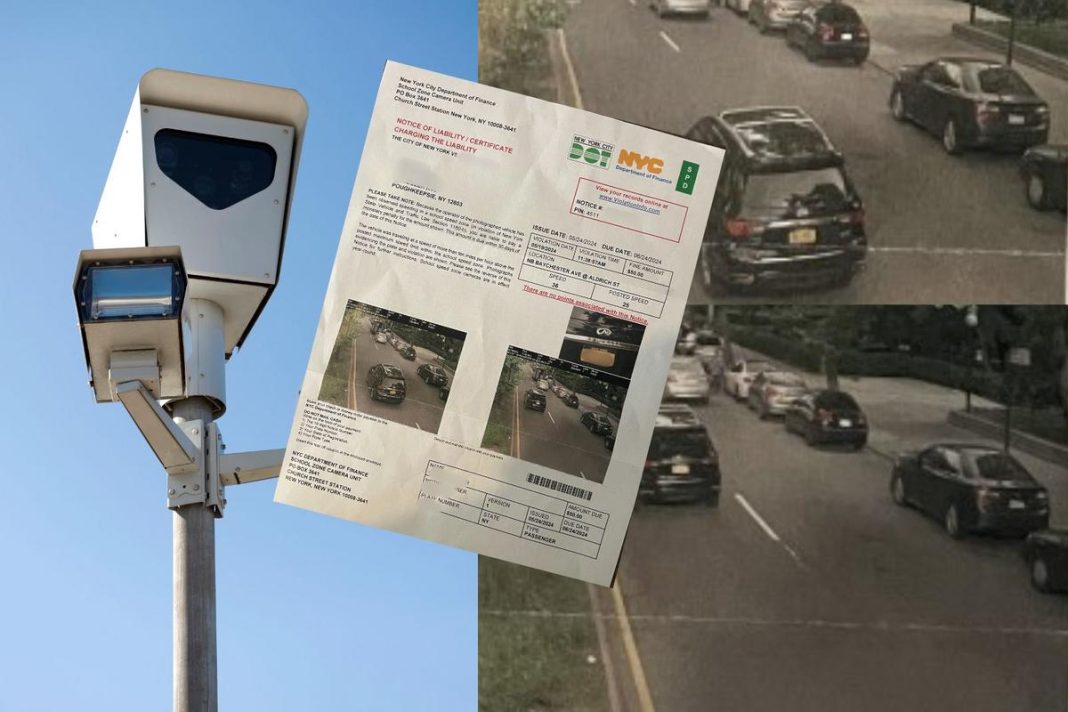

You come home to find an envelope in the mail — a photo of your car running a red light or speeding through a camera zone, with a fine attached. No officer. No court date listed. Just a bill. Traffic camera tickets feel like a done deal, but they’re actually one of the more legally contested areas of traffic law, with real differences by state, legitimate challenges available, and in many cases, no effect on your driving record at all.
The Fundamental Legal Difference: Civil vs. Criminal
In most jurisdictions that use automated traffic enforcement (red light cameras, school zone speed cameras, highway speed cameras), camera tickets are issued as civil penalties against the vehicle’s owner — not criminal charges against a driver. This distinction matters enormously. Because you’re being fined as the owner of a vehicle rather than as the driver who committed the violation, the ticket typically cannot affect your driving record, add points to your license, or increase your insurance premiums. You’re essentially paying a fine similar to a parking ticket. Several states have exploited this civil framing to create camera programs as revenue generators while avoiding the due process requirements of traditional traffic enforcement.
The Owner Liability Problem
The most common legitimate challenge to camera tickets is that the owner wasn’t the driver. Many programs place liability on the registered owner regardless of who was driving, which multiple courts have found problematic. Some jurisdictions require the owner to identify the actual driver or face the fine, which has been challenged as compelled self-incrimination in some cases. Providing a sworn affidavit that someone else was driving — with their information — is a common and sometimes successful defense in states that require driver identification.
Technical Challenges That Sometimes Work
Camera equipment must be properly calibrated and maintained. Calibration records are public records that can be requested through your state’s freedom of information process. If a camera wasn’t calibrated within required intervals, the ticket may be invalid. Image quality matters too — if the photo doesn’t clearly show your license plate, or if lighting or angle makes identification uncertain, that’s a viable challenge. Some jurisdictions have had their entire camera programs struck down because of improper equipment maintenance or bidding irregularities with the private companies that operate them.
States That Have Banned Camera Programs Entirely
Several states — including Texas, Montana, and Mississippi — have banned red light and speed camera programs entirely, either through legislation or court decisions. Many others have significant restrictions on where and how cameras can be used. If you’re receiving tickets from a camera program, checking whether the program has been challenged or restricted in your state is a worthwhile first step. Programs run by private contractors without proper state authorization have been invalidated in multiple jurisdictions.
Final Thoughts: Camera tickets aren’t automatic losses. The unique legal nature of automated enforcement, the technical requirements for valid camera evidence, and the owner-not-driver defense all create legitimate grounds for challenge in many cases. Researching the specific program issuing your ticket — its authorization, calibration records, and local legal challenges — is worth the time before simply paying.