
If you’ve ever signed an important legal document — a will, a deed, a power of attorney, an affidavit — you’ve probably been asked to either get it notarized or have witnesses sign it. Sometimes both. Many people treat these as interchangeable formalities, not fully understanding what either one actually does. They’re not the same, they serve different purposes, and using the wrong one on a document that requires the other can render it legally invalid.
What a Notary Actually Does
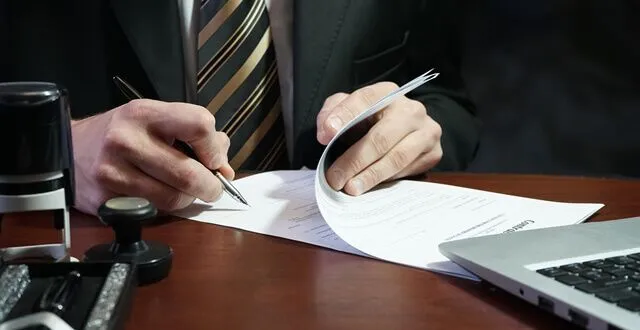
A notary public is a state-commissioned official whose core function is identity verification and fraud prevention. When a notary notarizes your signature, they are certifying that: they personally witnessed you sign the document, they verified your identity through acceptable identification, and you appeared to be signing voluntarily and of sound mind. The notary stamps the document with their official seal and signs their own name, creating a public record. This process makes the document’s execution much harder to later challenge or repudiate. Notarization doesn’t validate the content of a document — a notarized contract with illegal terms is still unenforceable — it authenticates the signature.
What Witness Signatures Do
Witnesses serve a different function: they observe the signing and can later testify that the signer was present, appeared mentally competent, and wasn’t under duress. Witnesses are often required in addition to notarization for particularly important documents — most states require two witnesses for a will, for example, and some require witnesses plus notarization for real estate deeds, advance healthcare directives, and durable powers of attorney. Witnesses typically cannot be beneficiaries under the document they’re witnessing (for wills, this is often a strict rule that can invalidate a bequest if violated).
Which Documents Require Which
Requirements vary by state and document type. Wills typically require two adult witnesses and sometimes a notary (for a ‘self-proving’ affidavit that can simplify probate). Real estate deeds almost universally require notarization. Powers of attorney requirements vary widely — some states require notarization alone, others require witnesses plus notarization. Affidavits require notarization because they’re sworn statements. Simple contracts between private parties usually require neither, though adding them is good practice for significant agreements. Always check your state’s specific requirements for the type of document you’re executing.
Remote Online Notarization: A Growing Option
Most states now allow remote online notarization (RON), where the signer and notary appear via secure video platform rather than in person. The notary verifies identity through credential analysis and knowledge-based authentication questions, then witnesses the signing electronically. RON became widespread during the COVID-19 pandemic and is now a standard option in most jurisdictions. Not all document types are eligible — some states still require in-person notarization for real estate transactions or certain estate planning documents — but for many routine legal documents, RON is a legitimate and convenient alternative.
Final Thoughts: Document formality requirements exist because the documents they apply to matter — wills, deeds, and powers of attorney have significant legal and financial consequences. Getting the execution right from the beginning prevents challenges and delays when these documents are eventually presented. If you’re unsure what’s required for a specific document in your state, a brief consultation with an attorney — or your state bar’s lawyer referral service — provides authoritative guidance.